Yüksek verimli filtrasyon, endüstriyel yüksek sıcaklık arıtma, otomotiv boyama, yarı iletken temiz odaları ve ilaç sektörlerinde, fiberglas filtreler — özellikle yüksek sıcaklığa dayanıklı modeller — yeri doldurulamaz temel bileşenlerdir. Malzeme özellikleri, yapısal hassasiyetleri ve performans istikrarları son derece önemlidir. manuel işlem veya basit makinelerle garanti edilemez.. Sadece profesyonel otomatik üretim hatları Seri üretimin katı gereksinimlerini karşılayabilir.
1. Fiberglas filtre ortamı, sıradan ekipmanlar için çok özeldir.
PP, dokunmamış kumaş veya kağıt filtre malzemelerinden farklı olarak, fiberglasın kendine özgü özellikleri vardır:
- Kırılgan, hassas, kolayca yıpranıp toz haline gelen bir malzeme.
- Yüksek sertlik, düşük esneklik, katlama kuvvetine karşı hassasiyet.
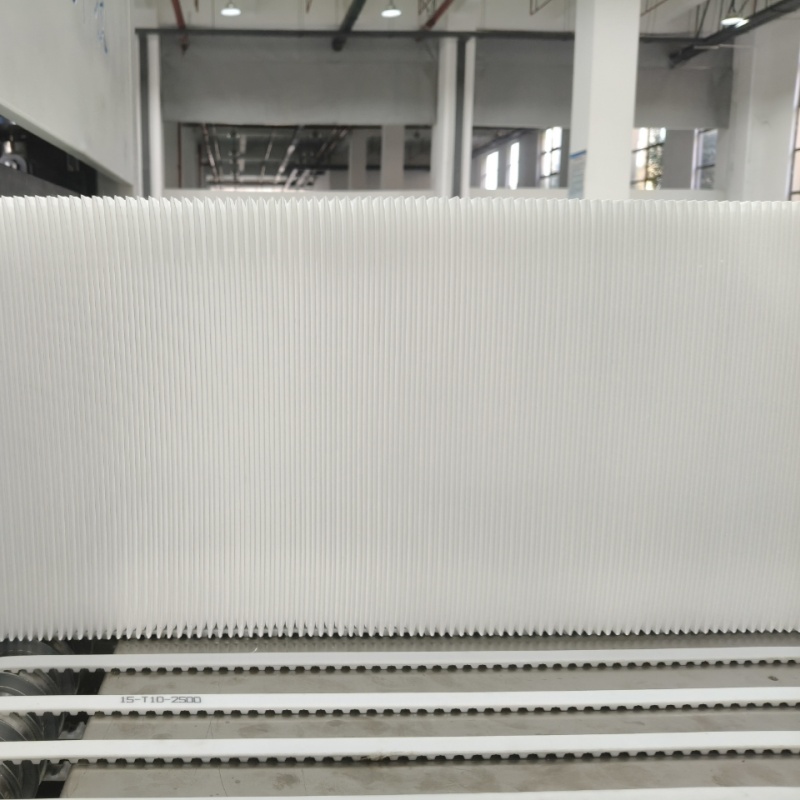
- Düzgün kıvrımlar, tutarlı aralıklar ve düzgün şekillendirme gerektirir.
- Manuel veya basit ekipmanlar genellikle şunlara neden olur:
- Düzensiz kıvrımlar, bozuk açılar
- Malzeme kırılması, yüksek hurda oranları
- Dengesiz filtreleme alanı ve aşırı hava direnci
Profesyonel otomatik hatlar, tüm işlem boyunca fiberglas malzemeyi korur. besleme, gerilim kontrolü, ön kesme, işaretleme, pileleme ve taşıma — sıfır hasar ve istikrarlı şekillendirme sağlanması.
2. Hassasiyet Performansı Belirler: Basit Makineler HEPA Sınıfı Filtreler Üretemez
Filtrasyon verimliliği, toz tutma kapasitesi, hava direnci ve kullanım ömrü Her şey pileleme hassasiyetine bağlı..
Profesyonel otomatik hatlar üç önemli avantaj sağlar:
- Tam servo kontrolüPile yüksekliği, hızı ve basıncının minimum hata ile hassas ayarlanması.
- Çift servo bıçaklı pilelemeKırılgan fiberglas için idealdir, düz ve sağlam kıvrımlar oluşturur.
- Entegre kesme ve pilelemeİkincil hasarı ve sapmayı ortadan kaldırmak için tek aşamalı işlem
Buna karşılık, temel makinelerden elde edilen ürünler:
- HEPA/ULPA standartlarını karşılayamama
- Partiler arasında istikrarsız performans sergiliyor.
- Sızıntı veya yüksek sıcaklık güvenilirlik testlerinden geçemez.
3. Yüksek Sıcaklıkta Kullanılan Fiberglas Filtreler Özel Üretim Hatları Gerektirir
Yüksek sıcaklığa dayanıklı fiberglas filtreler yaygın olarak şu alanlarda kullanılmaktadır:
- Otomotiv boya kabinleri (200°C+)
- Yeni enerji bataryası üretimi
- Yarı iletken ve ilaç temiz odaları
- Endüstriyel kazanlar, fırınlar, atık yakma tesisleri
Bu uygulamalar şunları gerektirir:
- Isıya dayanıklı fiberglas ortam
- Yüksek sıcaklığa dayanıklı yapıştırıcı ve destek hatları
- Yüksek sıcaklık koşullarında stabil pileleme
Sıradan makineler sıklıkla şunlara neden olur:
- Pile deformasyonu
- Katman ayrımı
- Sızdırmazlık arızası
- Yüksek sıcaklık ortamlarında düşük performans
Nitelikli çıktıyı yalnızca özel yüksek sıcaklık otomasyon hatları sağlar.
4. Seri Üretim ve Tutarlılık Küresel Üst Düzey Pazarlarda Başarıyı Getiriyor
Otomotiv, yarı iletken, yeni enerji, ilaç ve ihracat siparişlerinde tutarlılık şarttır:
- Düzgün pile derinliği ve aralığı
- Kararlı hava direnci ve verimlilik
- Sızıntı ve mukavemet testlerini geçmek
- İzlenebilir süreç parametreleri
Otomatik hatlar şunları teslim eder:
- 24 saat kesintisiz çalışma
- Yüksek verimlilik, düşük işçilik maliyeti
- Partiden partiye tutarlılık
- Uluslararası sertifikalara ve üst düzey pazarlara kolay erişim
Önerilen Çözümümüz
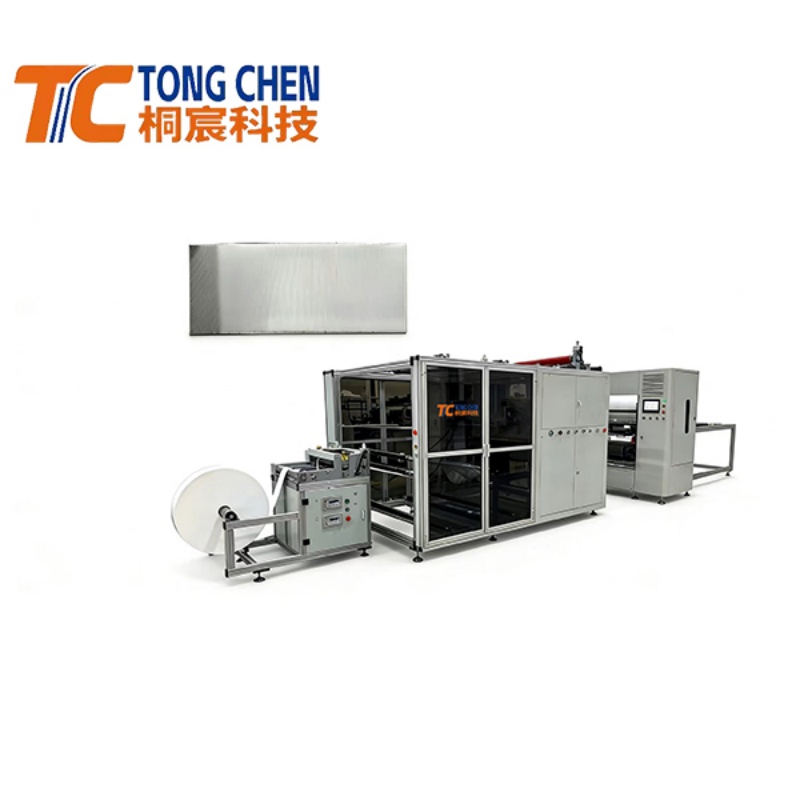
Tongchen 300 mm Yüksek Sıcaklıkta Bölmesiz Fiberglas Katlama Üretim Hattı
Tasarlandı özellikle yüksek sıcaklığa dayanıklı fiberglas HEPA/ULPA filtreler içinBu ürün serisi, üretimdeki tüm kritik sorunları çözüyor.
Başlıca Özellikler
- Pile yüksekliği20–300 mm ayarlanabilir
- Maksimum çalışma genişliği: 1000mm
- Pileleme hızı: 0–60 kat/dakika, kademesiz ayarlanabilir
- Çift servo bıçak sistemi hassas ve zarar vermeyen pileleme için
- Otomatik senkron kontrol üst/alt çizgiler ve filtre kağıdı için
- Alüminyum pres plakası fiberglas için özel olarak tasarlanmıştır
- Yüksek sıcaklığa dayanıklı yapı ısıya dayanıklı ortamlar için
- Sağlam, dayanıklı, düşük arıza oranı, kolay kullanım
Ana Uygulamalar
- Otomotiv boyama hattı yüksek sıcaklık filtrasyonu
- Yarı iletken ve elektronik temiz odaları
- Yeni enerji bataryası üretimi
- Farmasötik aseptik ve yüksek sıcaklık sterilizasyon alanları
- Endüstriyel fırınlar, kazanlar, atık yakma baca gazı arıtma
Çözüm
Fiberglas filtreler — özellikle yüksek sıcaklığa dayanıklı modeller — hassas üretim gerektiren yüksek performanslı bileşenlerdir.
İstikrarlı kalite, yüksek üretim kapasitesi, düşük hurda oranları ve küresel üst düzey pazarlara erişim için, Profesyonel otomatik üretim hattı bir seçenek değil, bir zorunluluktur..
Tongchen'in 300 mm Yüksek Sıcaklığa Dayanıklı Bölmesiz Fiberglas Katlama Hattı Size, yüksek sıcaklıklara dayanıklı birinci sınıf fiberglas filtreleri verimli ve güvenilir bir şekilde üretmenizi sağlayacak teknolojiyi sunar.